




















Leather Luxe and Beyond: RFID Wallets for Every Wardrobe

Leather Luxe and Beyond: RFID Wallets for Every Wardrobe
In fashion, the wallet is more than a pocket companion; it's a daily statement. It carries keys to your digital life, cards loaded with data, and memories from travel, work, and family. Over the last few years, RFID wallets have shifted from novelty to essential for anyone who wants a calm, organized, and secure carry. What began as a niche product for the tech-savvy has blossomed into a category that blends timeless leathercraft with modern protection, and even pushes beyond leather into innovative materials and clever designs. In this guide, we'll explore how RFID wallets can elevate your wardrobe-from classic, refined leather to new-age textures and smart silhouettes-without sacrificing function or style.
The Rise of RFID Wallets: Security in a Digitally Connected World
RFID, or radio-frequency identification, is everywhere-from transit cards to hotel key fobs, and-yes-from certain kinds of credit cards and transit-enabled IDs. The convenience is undeniable, but the convenience comes with a potential vulnerability: uncluttered, near-field readers can access the data embedded in cards with RFID chips if they're left unprotected. The result is a market opportunity for wallets that don't merely hold cards, but actively shield their contents.
RFID wallets achieve protection in a few different ways, most often by adding a shielding layer-a thin, metallic or metalized fabric that blocks electromagnetic signals from reaching the cards inside. This layer is usually laminated or stitched into the wallet's lining, so it doesn't add bulk or change the silhouette. In practice, your cards stay in place, but any attempt to read them from outside the wallet will be thwarted by the Faraday-cage-like barrier.
When you shop for RFID wallets, you'll notice two key considerations: the level of shielding and the number of cards the wallet can guard at once. Some wallets block only the most sensitive high-frequency signals, while others provide broader coverage that extends to smart cards and certain contactless IDs. For daily life, a well-made RFID wallet offers peace of mind without turning your carry into a bulky, over-engineered gadget.
The Allure of Leather: Classic Craft Meets Modern Tech
Leather remains the signature material for luxury wallets because it ages with character. Full-grain or top-grain hides develop a patina that tells a personal story-scratches, creases, and color shifts that become part of your wallet's personality. The tactile feel of real leather-soft yet structured, with a natural grain that catches light in the right way-is hard to replicate in synthetics. When you pair leather with RFID blocking, you're not just buying a practical accessory; you're investing in a time-tested craft that looks better with a little wear.
From a design perspective, leather allows for exquisite stitching, precise edge finishing, and a range of silhouettes from slender card holders to generous bifolds. The best leather wallets manage to be slim enough to slip into a tailored jacket pocket, yet capacious enough to carry essential cards, a little cash, and perhaps a spare key or two. When you choose leather, you're selecting durability, a tailored fit, and the promise of aging gracefully-an ideal match for wardrobes built around tailored suiting, weekend denim, or travel-ready layers.
Beyond Leather: Innovative Materials in RFID Wallets
As fashion embraces sustainability and technology, brands experiment with materials that push beyond traditional leather while preserving the luxe feel. Here are some compelling options you'll encounter on shelves and in boutique lines:
- Vegetable-tanned leather: A natural alternative to chrome-tanned hides, vegetable tanning uses plant-based tannins. It ages beautifully and often develops a warmer, amber-tinted patina over time. It pairs well with earthy tones and refined hardware.
- Recycled and upcycled fabrics: RFID layers knitted or woven into wallets can be rendered in colors and textures that echo premium fabrics-think microfibre, recycled PET blends, or waxed canvas with a tactile surface.
- Synthetic leathers and microfibers: High-quality polyurethane (PU) or polycarbonate composites can mimic the look of leather with a more uniform finish. They're often lighter, more resistant to water, and easier to clean than traditional hides.
- Alcantara and suede textures: Luxury textiles sometimes appear as interior linings or outer panels in wallets, adding a soft, tactile contrast to a sleek exterior.
- Carbon fiber and metal accents: For the minimalist who loves a futuristic vibe, wallets with carbon-fiber panels or lightweight metal hardware offer an automotive-luxe feel without bulk.
Choosing between leather and these innovative materials comes down to personal style, lifestyle, and values. If you travel frequently or care deeply about a soft, expressive patina, leather remains hard to beat. If you crave ultra-lightweight, weather-resistant, or more sustainable options, the non-leather spectrum offers compelling alternatives that still read as premium.
Styles to Suit Every Wardrobe
One of the joys of RFID wallets is that the protection is not limited to a single form factor. Whether you're pairing with a formal wardrobe or a casual uniform, there's an RFID wallet that can integrate seamlessly. Here's a tour of styles that cover the spectrum-from minimal to maximal, from slimline to travel-ready.
Minimalist Card-Holders
For days when you want to travel light, a card-holder is a crisp, modern solution. The minimalist wallet usually stores four to eight cards and perhaps a folded note or a few coins in a tiny zip pocket. The benefit is that you get RFID protection without the extra bulk of a gusseted bifold. Carbon-fiber textures, pebbled leather finishes, and slim edge detailing give a minimalist wallet a refined silhouette that looks equally at home with a tailored blazer or a casual tee and jeans.
Bifold and Trifold Leather Wallets
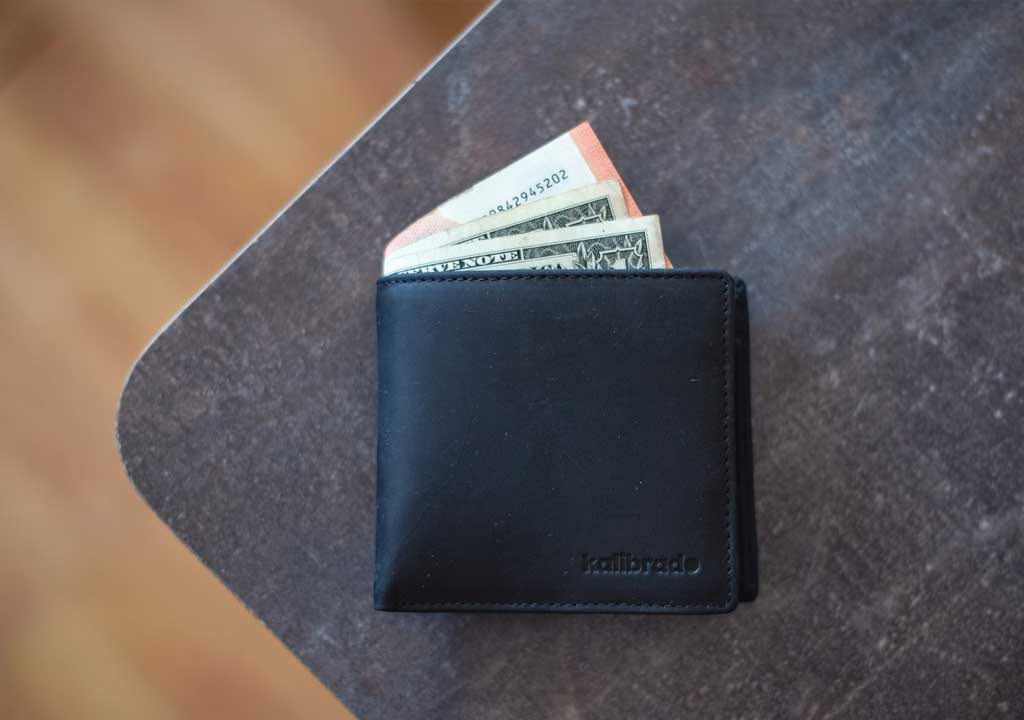
Most traditional wardrobe lovers gravitate toward bifold or trifold designs for their instinctive capacity. These silhouettes offer generous card slots, a dedicated bill section, and often a separate coin pocket. Modern RFID versions insert a shielding layer into the lining so you can keep cash and cards neatly organized without worrying about contactless skimming. The key to choosing a bifold or trifold is the balance between utility and bulk: look for rounded corners, reinforced stitching, and a leather that ages evenly with your body heat and climate. A well-made bifold with RFID protection can be a daily carry that anchors a formal wardrobe and also remains comfortable under a winter coat or a smart rain jacket.
Zippered Compartments and Coin Pouches
For those who prefer keeping their coins or small essentials secure, wallets with interior zippers or outer coin pouches offer a satisfying sense of containment. These models can be particularly useful for travelers or anyone who tends to carry multiple loyalty cards, transit passes, and a few international currencies. The challenge with zippered wallets is maintaining a compact profile, but high-quality designs manage to keep the shape slim while preserving the security of contents. In terms of aesthetics, they often read as more rugged or utilitarian, which pairs beautifully with casual or techwear ensembles.
Travel Wallets and Passport Folders
When your wardrobe includes frequent airports, long-haul flights, and city hopping, a travel wallet or passport folder becomes a practical luxury. RFID-blocking canvases, leather exteriors, and multiple sleeves for boarding passes, passports, and currency create a centralized hub for your documents. These models tend to be larger, but they can be organized to fit into a tote or a carry-on. The design emphasis is on modularity: separate sections for boarding passes, hotel cards, loyalty programs, and emergency contact details. A well-designed travel wallet looks sophisticated with a suit, but also remains comfortable under a backpack or messenger bag for a day of sightseeing.
Card-Sleeve Tech Wallets
For tech-forward wardrobes, some wallets pair RFID protection with soft-touch tech sleeves or built-in charging considerations. Think ultra-slim card sleeves that slide into a pocket alongside your smartphone, or wallets with discreet stretch panels that allow quick access to frequently used cards. These designs often feature concealed compartments for chip-enabled travel cards or a spare SIM card. They strike a balance between modern form and practical function, letting you curate your everyday carry to your exact needs without sacrificing a clean, coordinated silhouette.
The Craft Behind the Luxe: Craftsmanship and Sustainability
Luxury isn't just about material and branding; it's about the people who shape the product from hide to hand. When you purchase an RFID wallet, you're investing in a process that blends centuries-old leatherworking with contemporary fabrication techniques. The best brands emphasize:
- Full-grain or corrected-grain hides with a uniform grain, ensuring durability and consistent aging.
- Hand-finished edges: the tiny slivers of leather are skillfully burnished and waxed for a smooth feel against fingertips and pockets.
- Precise stitching: evenly spaced stitches, reinforced corners, and durable thread choices like bonded nylon or waxed polyester to resist wear.
- Thoughtful hardware: tensioned hardware, zinc or brass fittings, and clasps that won't fail after repeated openings.
- Sustainable sourcing: responsibly sourced hides, chrome-free tanning processes, and transparent supply chains.
Beyond the craft, sustainability is a practical consideration. Leather's longevity means fewer replacements over time, which aligns with a philosophy of slow fashion. For those who want even lower environmental impact, brands are embracing regenerative leather processes, plant-based alternatives, and recycled-metal hardware. The best RFID wallets embody a balance: timeless design, rigorous protection, and a conscience that matches your wardrobe values.
RFID Technology: What It Really Protects And What It Doesn't
Understanding RFID protection helps you set realistic expectations. Most modern wallets with RFID shielding guard against high-frequency (13.56 MHz) signals used by many cards and transit passes. That level of protection can prevent casual skimming at close range. However, it's not an absolute defense against all forms of data theft-there are caveats worth knowing:
- The shielding protects the card data while it's inside the wallet, but it cannot stop a criminal from physically stealing a wallet or from exploiting non-radio methods like social engineering or card-not-present fraud.
- Some older or damaged RFID chips may still be accessible if the shield has been compromised, so it's wise to inspect a wallet's build quality and replace if the protective layer shows signs of wear.
- Not all cards have identical sensitivities. Some cards, especially newer or specialized security IDs, may use different frequencies or approaches that require different protections.
- RFID protection does not impede the wallet's ability to hold or dispense cards; it simply blocks external readers from reading data. You can still use contactless payment terminals as you normally would by presenting the card to the reader within the wallet, though some users prefer removing the card for a smoother transaction.
In short, RFID wallets reduce risk of casual RF-based attempts to extract card data, but they're not a guarantee against every type of cyber threat. For most daily scenarios-commuting, shopping, and dining-RFID shielding provides a practical layer of protection that complements responsible card management, strong passwords, and monitoring of card activity.
Caring for Your Wallet: Longevity and Look
To keep your RFID wallet looking sharp and functioning smoothly, a simple care routine goes a long way. Leather benefits from regular conditioning, which keeps the surface pliable, reduces cracking, and helps the patina develop evenly. Here's a concise care plan:
- Clean with a soft, dry cloth. For deeper cleaning, use a damp cloth with a mild, pH-balanced soap and dry thoroughly.
- Condition every few months using a product designed for the type of leather you own. Avoid heavy waxes that can clog pores or darken the leather unevenly.
- Store in a cool, dry place away from direct sunlight to prevent fading and drying out.
- Avoid overfilling; a bulky wallet strains seams and can break the shielding layer over time.
- Rotate your wallet with others to minimize wear on a single piece, especially if you swap between professional and casual looks.
For non-leather materials, follow the manufacturer's guidelines. Some synthetics may benefit from a light wipe with a damp microfiber cloth and avoiding aggressive cleaners. The key is to maintain the wallet's shape and shielding while preserving its intended silhouette.
Budget to Luxe: Price Point Guide
RFID wallets span a wide price range, reflecting materials, craftsmanship, and brand heritage. Here's a general guide to expectations you might encounter in stores or online:
- Entry-level: Simple card-holders or slim wallets in faux leather or basic textiles with RFID shielding typically range from $20 to $60. These are great for first-time buyers or as a minimal, budget-conscious option.
- Mid-range: Leather/card-holding designs with refined finishes, better edge work, and integrated shielding usually sit between $60 and $180. These wallets balance quality and price, offering durability and style for daily use.
- Premium: Full-grain or vegetable-tanned leather, meticulous hand-finishing, and advanced RFID layers push price between $180 and $350. These options often come from brands with storied craftsmanship and longer warranties.
- Luxury and designer: Iconic brands and limited editions featuring rare leathers, bespoke interiors, or multi-pocket configurations can exceed $350 and approach or surpass $1,000. These pieces are as much art as accessory and often become heirlooms.
While price can reflect quality and longevity, it's not a guarantee that the most expensive wallet is the best choice for you. Consider your daily routine, climate, and wardrobe approach. A well-chosen mid-range wallet that fits your style and life will outshine a pricier piece that you seldom carry.
Wardrobe Pairings: Styling Your RFID Wallet Across Outfits
Your wallet should harmonize with your wardrobe, not clash with it. Here are tips to integrate RFID wallets into various styles:
- Formal tailoring: Pair a refined bifold in dark, polished leather with a tailored suit for a cohesive, executive look. Choose a wallet with clean lines and discreet branding for a timeless appearance.
- Smart casual: A pebble-grain leather card-holder or a compact bifold in a mid-tone brown or navy pairs nicely with sport coats and smart chinos. The key is to maintain a balanced silhouette-neither bulky nor too delicate for daily use.
- Urban minimalist: Favor sleek, slim card-sleeve wallets in black or charcoal with minimal hardware. Subtle stitching and restrained branding echo a modern, city-ready aesthetic.
- Weekend denim: A rugged leather with visible grain, or a textile-backed wallet, can complement denim jackets and casual tees. Look for water resistance in the exterior or a protective coating for longevity in unpredictable weather.
- Travel-ready: Travel wallets or passport folders with multiple compartments look best with a coordinated tote or crossbody. Choose a color that complements your luggage or carry-on and ensure the internal layout keeps documents accessible at security checks.
Color psychology can help as well. Rich chestnut, cognac, or oxblood convey classic warmth for traditional wardrobes, while deep black or blue charcoal exudes a modern, versatile aura. If your wardrobe leans toward earthy textures-boots, tweeds, and muted olives-vegetable-tanned or richly patinated leather can echo those tones beautifully.
The Smart Wardrobe: Accessories as a System
Consider your RFID wallet as part of an accessory system. A cohesive approach-matching hardware finishes (brass, gunmetal, or silver), stitching tones (contrast or tonal), and overall texture-creates a unified look from belt to bag to phone case. If you wear a lot of metallic accents, a wallet with hardware in the same metal family reinforces consistency. For minimalist wardrobes, a single, pristine design in a neutral color can be your signature piece. If your closet spans casual and formal, you may opt for a two-palette setup: one rich, classic leather for workdays and a lighter or textured option for weekends.
The Future of RFID Wallets: Smart Features on the Horizon
Technology doesn't stand still, and neither do wallets. The next wave of RFID wallets could blend more advanced materials, smarter organization, and subtle tech-enabled enhancements without sacrificing tactile luxury. Here are a few possibilities you might see in the near future:
- Integrated digital compartments: A hidden sleeve designed to pair with a specific mobile wallet app, offering easy replication of card data for travel or business needs while remaining shielded from unauthorized reads.
- Dynamic RFID shielding: Adjustable shielding that can be switched on or off depending on when you want to block or allow contactless reads, managed through a discreet switch or button on the wallet.
- Smart textiles: Fabrics and leathers interwoven with conductive threads to support external charging pockets, while still maintaining a slim silhouette.
- Self-cleaning finishes: Nanocoatings or ceramic-infused outer layers that resist water, oils, and fingerprint smudges for a consistently pristine look.
While these innovations sound exciting, the essence of RFID wallets will continue to be about balance-between protection and accessibility, between a feel-good tactile experience and the efficiency of a well-organized carry. The right wallet for you will harmonize with your habits, your aesthetic, and your daily routines, while offering confidence in a connected world.
Conclusion: Invest in Functionality Without Sacrificing Style
Leather Luxe and Beyond: RFID Wallets for Every Wardrobe isn't just a headline about protection. It's an invitation to rethink what a wallet can be: a finely crafted object that respects tradition, embraces innovation, and fits into the fabric of your personal style. Whether you prefer the timeless elegance of a full-grain leather bifold, the sleek lines of a minimalist card-holder, or the adventurous textures of non-leather materials, RFID wallets offer a practical shield in a world of digital convenience. They help you carry the items that matter-your essential cards, a bit of cash, a passport for travel-without compromising on form or functionality.
To build a wallet collection that truly supports your wardrobe, start with a clear sense of what you carry daily, where you go most often, and which outfits you want to anchor. Test a few silhouettes with your most-used outfits. Look for quality stitching, consistent hardware, and a shield layer that feels seamless within the lining rather than bulky on the surface. Finally, ask yourself how your wallet ages with you: do you want it to show signs of life quickly, developing character with patina, or do you prefer a more restrained, polished appearance that stays pristine for years?
In the end, a great RFID wallet is less about the latest trend and more about a thoughtful partnership between your wardrobe and your daily routines. It's where tradition and innovation handshake, where craft meets data protection, and where your carry becomes an extension of your personal style. Leather, fabric, or a hybrid material may define the exterior, but the real luxury is confidence-the confidence that your essentials are secure, organized, and presented with color, texture, and care that matches your most cherished outfits. Fashion changes, but well-made RFID wallets-crafted to age gracefully or stand the test of time-offer a wardrobe staple that deserves a spot in every closet.
LIKED THIS ARTICLE? SHARE IT: